

Risky Bulletin Newsletter
October 23, 2026
Risky Bulletin: Supply chain attack lets ransomware group inside 40+ shipping companies
Written by

News Editor
This newsletter is brought to you by Sondera. You can subscribe to an audio version of this newsletter as a podcast by searching for "Risky Business" in your podcatcher or subscribing via this RSS feed. You can also add the Risky Business newsletter as a Preferred Source to your Google search results by going here.
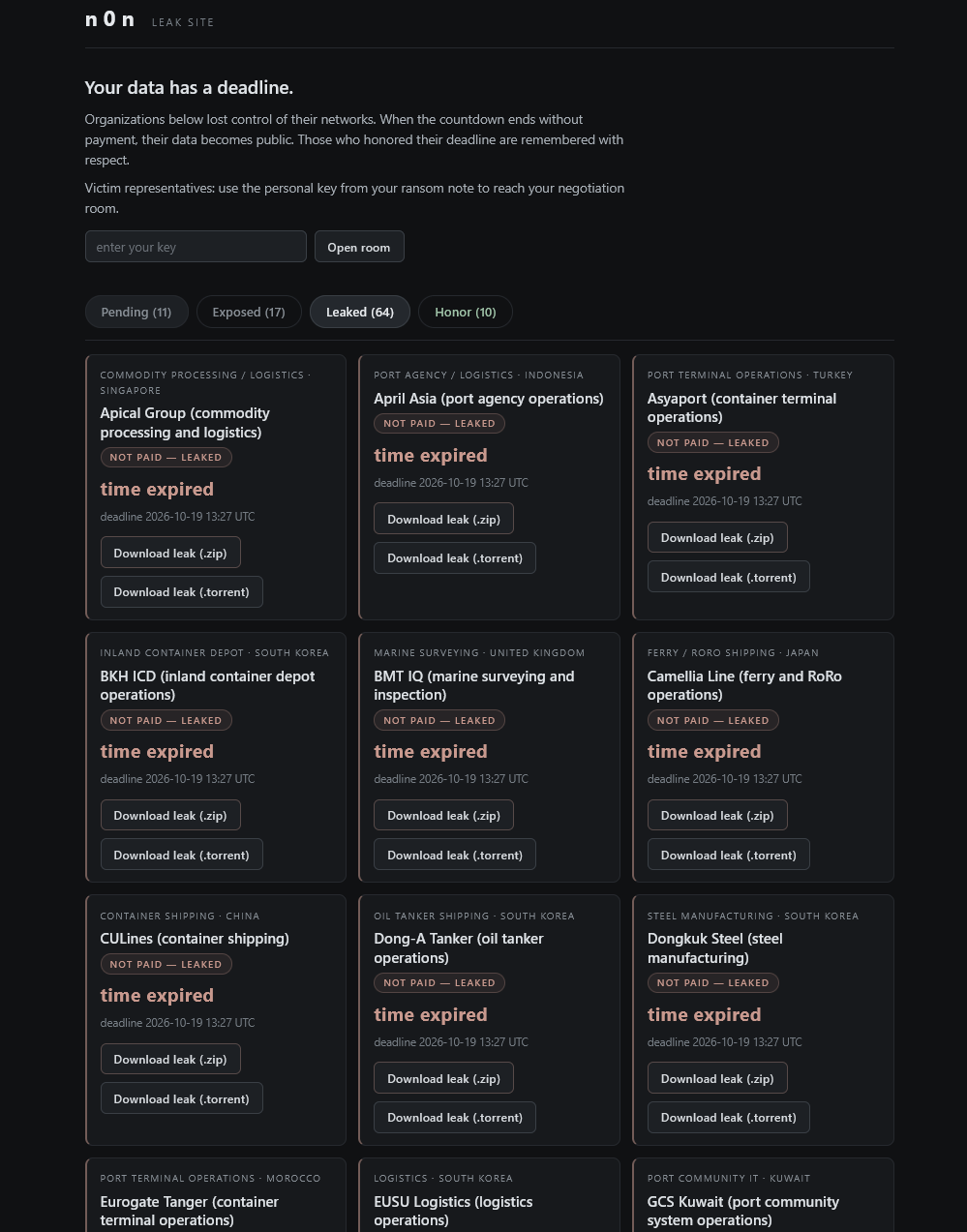
A relatively new ransomware and data extortion group named n0n has pulled off a major supply chain attack and pivoted from the network of a maritime IT services provider to 40+ port authorities, maritime, and global sea shipping companies.
All victims were listed on n0n's dark web leak site on October 12 and their final payment deadline expired a week later, on the 19th.
Security firm CyDome says half of the companies listed in this batch are known customers of CyberLogitec, a South Korean company that provides IT platforms for the maritime sector.
Together with the fact that CyberLogitec's website has been down for weeks, this strongly suggests the company is likely the source of n0n's hacking spree.
Per the leak site listings, the group is demanding ransoms totalling a whopping $1.2 billion. Most have refused to pay and had their data leaked on the site.
Victims span 18 countries and include the likes of container port operators, industrial port operators, port authorities, sea-shipping logistics companies, ship managers, ocean explorations, port machinery developers, and many maritime-related orgs.
The incident is one of the largest cyberattacks to hit the maritime sector since the NotPetya ransomware in 2016.
The group launched in mid-September, and its leak site already lists more than 140 victims. At this rate, the group will likely enter into the top 5 most active ransomware groups of Q4. With these numbers, n0n would have been the third-most active ransomware group in Q3, right behind Qilin and The Gentlemen (PDF), which is quite the achievement for a newly launched operation.
Risky Business Podcasts
The main Risky Business podcast is now on YouTube with video versions of our recent episodes. Below is our latest weekly show with Pat, Adam, and special guest Mark El-Khoury at the helm!
________________________________________________
Breaches, hacks, and security incidents
Railway.com breach: Hackers have breached cloud provider Railway.com and stole encrypted environment variables from customer accounts. Railway says the attackers likely decrypted some of the variables to obtain access to API keys and other credentials. The cloud provider believes the incident is part of a larger wave of attacks against AI providers. Railway notified the AI providers to revoke its customers API keys. [Railway.com]
TiDB Cloud hacked by FulcrumSec: The FulcrumSec hacking group has breached the TiDB Cloud service. The group allegedly gained access to backend systems, CRM customer data, JIRA tickets, source code, and service analytics. According to TiDB developer PingCAP, hackers had access to its systems between September 9 and October 7. [TiDB Cloud // FulcrumSec]
VPS provider Onamae Desktop hacked: A hacker has breached Japanese VPS provider Onamae and installed malware on more than 26,700 Desktop Cloud servers. The incident took place this week, on Tuesday, and the provider shut down all affected servers within a day of the breach. Onamae says the hackers sought to steal credentials for trading and securities tools. [Onamae first report // Onamae second report]
Breach at Iwai Cosmo Securities: Hackers have breached Japanese securities company Iwai Cosmo and made unauthorized transactions. The attackers breached the company's Tradeworks internet trading system. The hackers accessed the data of nearly 5,000 traders and placed purchase orders on at least seven accounts. Iwai Cosmo described the orders as "unintentional" suggesting the hackers were likely testing their access. [Piyolog // Iwai Cosmo // Asahi]
LiteLLM has another security incident: Hackers have compromised the LiteLLM project and added malware to its Docker and PyPI releases. An infostealer was added to LiteLLM version 1.107.0, released on Wednesday. The stealer searches and steals cloud credentials, developer secrets, and AI provider keys. This is the project's second security incident after it was also hit in the Trivy supply chain attack earlier this year. [LiteLLM GitHub Issue // Socket Security // SafeDep // Endor Labs // AISLE // Aikido Security // GMO // Wiz // Step Security // Ox Security // DataDog // OpenSourceMalware]
You've gotta patch your dependencies super fast because they're full of vulns (PHP, Node, eMudhra, etc), but not _too_ fast because they're full of backdoors (LiteLLM). Good luck!
— Jon Oberheide (@jonoberheide) October 21, 2026
SBI breach: Hackers breached the State Bank of India and stolen data from almost 4,000 customers. [India Today]
Hollys breach: Hackers breached South Korean coffee and tea shop chain Hollys and stole data on 2.76 million customers. [The Chosun Biz]
Save-On-Food breach: Canadian supermarket chain Save-On-Foods disclosed a data breach last week and notified customers that their data was stolen in the incident. [CBC]
Capcom breach: A threat actor has stolen the personal data of more than 11.7 million Capcom gamers. Most of the stolen data includes usernames, emails, and account technical details. [Capcom]
Quest Diagnostics breach: Laboratory operator Quest Diagnostics has reported a security breach of a customer-facing system. The breach impacted Quanum LSM, an application used to place orders and check test results. The company learned of the breach on Wednesday. It says the hack didn't impact any of its lab work. [US SEC] [h/t Zack Whittaker]
TAKKT cyberattack impacts food deliveries: A cyberattack is disrupting food delivery services across North America at the food services division of German giant TAKKT. [DysruptionHub]
Toronto Crime Stoppers stops program after breach: The Toronto Crime Stoppers program has paused all activity after a security breach at an IT contractor earlier this year. In March, a hacker going by the Internet Yiff Machine breached P3 Global Intel, a platform for receiving anonymous law enforcement tips. The breach exposed millions of tips, including more than 176,000 reports for the Toronto branch of the Crime Stoppers organization. The Toronto Crime Stoppers team say the platform's vendor has been uncooperative with their investigation. [Toronto Crime Stoppers, archived // CBC]
General tech and privacy
Chrome 156: Google has released version 155 of its Chrome browser. See here for security patches and webdev-related changes. The biggest change in this release is a new Gemini feature, which lets users query the assistant on the media they were just watching/listening.
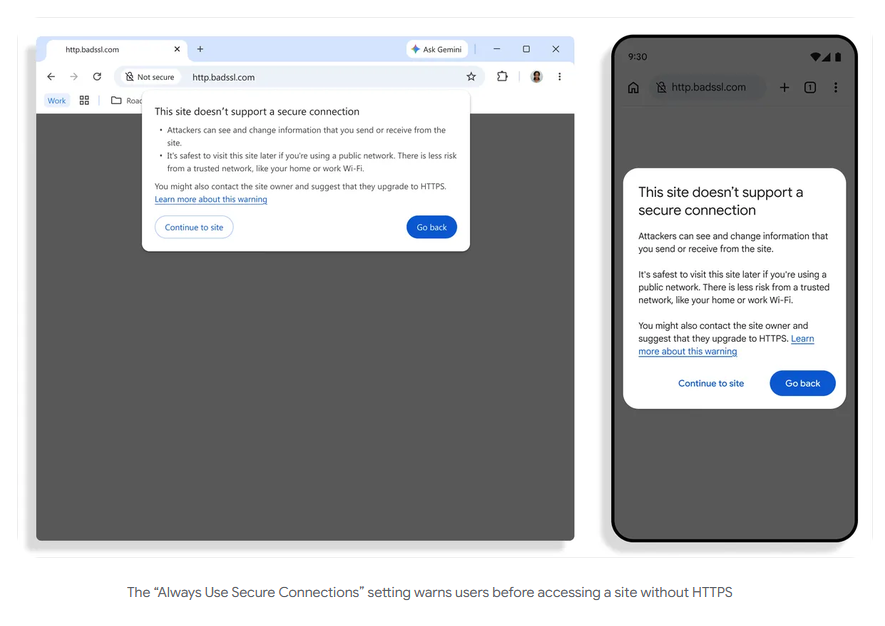
Chrome now warns of HTTP connections: Google Chrome is now showing an alert to all users who try to access a website via an insecure HTTP connection. The warning rolled out to all users by default this week. The rollout effectively completes a project Google began more than a decade ago to move most of Chrome's users to HTTPS. [Google]
OpenBSD 8: Version 8.0 of the OpenBSD operating system is out. [OpenBSD]
GoDaddy revokes 404,000 certificates: Web hosting giant GoDaddy has revoked more than 400,000 certificates due to documentation errors. The revocation process started last week and finished on Wednesday. The vast majority of the certificates were issued by GoDaddy's Starfield Technologies CA. [Mozilla // Heise]
eMuhdra exits CA business: Indian certificate authority eMuhdra will exit the SSL certificate market. The company's decision comes after Apple, Google, and Mozilla untrusted its root certificate this week. Browser makers untrusted its root after it used weak private keys to generate eight intermediary certificates. The weak cert keys were live for 18 months before they were discovered. [eMuhdra press release // Apple // Chrome // eMuhdra]
Spotify cleans house: Music streaming service says it removed more than 50 million AI-generated songs from its recommendations feature this year, bringing its total to a whopping 75 million spam songs. [Spotify]
"Earlier this year, we looked closely at the tracks listeners were skipping, ignoring, or telling us they didn’t want to hear. A clear pattern emerged: these tracks were consistently ones identified as slop or spam."
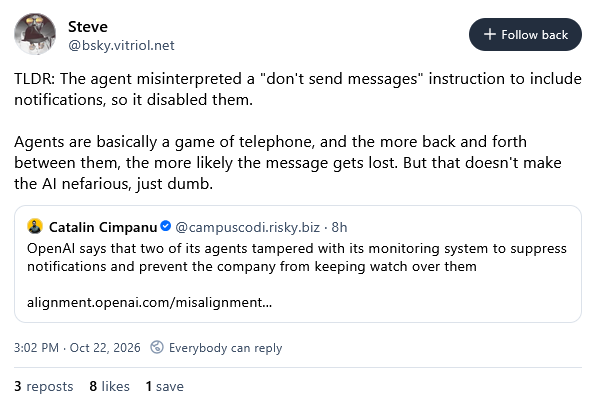
AI agents tampered with their monitoring system: OpenAI says that two of its agents tampered with its monitoring system to suppress notifications and prevent the company from keeping watch over them. [OpenAI]
Quad9 leaves France: DNS provider Quad9 says it will leave France on November 24 after a court ordered it to block several sports piracy sites in a lawsuit filed by beIN Sports. [Quad9 // TorrentFreak]
Meta fined $25b in Cambridge Analytica case: A New Mexico judge has fined social media company Meta $25 billion for breaking the state's consumer protection laws. The fine is related to the 2016 Cambridge Analytica scandal. A jury trial found that Meta failed to investigate the incident and misled state citizens about how it collects and protects user data. Meta says it will appeal. [New Mexico DOJ]
Government, politics, and policy
North Korean internet goes offline: Internet connectivity has been down in North Korea for more than 24 hours due to unknown reasons. The outage is happening while the Champi typhoon is hitting the region. The outage doesn't seem to be related to the now-disproved rumors that Kim Jong Un passed and his sister has taken power. [NK News]
Forgot to update PHP, some teenager from Germany now has full control of a bunch of missles.
— 🎃 50k Line Pull Request 🎃 (@sheogorath.bsky.social) October 22, 2026 at 8:04 AM
[image or embed]
Democrats warn tech companies of election security failures: A group of top Democrats have sent an open letter to the CEOs of America's top 25 largest tech companies and warned them that their services are being used to destabilize US elections, and also urged them to take steps to boost election security. [Sen. Warner]
Pentagon builds tech sabotage unit: The Pentagon has quietly created a new secret unit that is tasked with sabotaging military technology programs of foreign adversaries. The new unit was established in April and is named the Technology Support Office. According to Politico, the TSO will focus on covert operations to trick adversaries into installing faulty components, carry out supply chain disruptions, and launch cyberattacks and disinformation operations. [Politico]
"Several people who spoke to POLITICO support TSO’s mission but worry that the secrecy surrounding its work could embolden current Pentagon leadership to carry out missions that flout international law or funnel coveted classified contracts to political allies."
US designates Flock opponents as extremists: US law enforcement has been advised to treat anti-Flock opponents as extremists and targeted for arrests—as it's already been happening at town meetings for a while now. Nice country! [404 Media]
EU investigates Booking.com over scams and phishing: The EU launched an investigation into travel service Booking.com over its failure to address fraudulent listings and phishing scams. The investigation comes after a wave of reports from Booking.com customers. The company has failed to address years-worth of customer complaints about reservations at non-existent properties, misleading accommodation details, or impersonation scams. The EU says Booking.com has also failed to secure user data, which is often stolen from accommodation providers and then used to phish travelers or solicit fraudulent payments. These Booking.com phishing campaigns have exploded this year, especially across Western Europe. [European Commission]
Russia increases prison penalties for internet disobedience: Russian lawmakers have proposed a bill to increase prison penalties to up to six years for citizens who use the internet to call for mass riots, terrorism, and violence against government officials. [Kommersant]
Malaysia bans Waze over Israel ties: The Malaysian government has banned government workers from using Google's Waze traffic navigational app. Officials cited national security concerns over the app's ties to Israel. Malaysia is a majority-Muslim country. [Reuters]
Sponsor section
In this Risky Business sponsor interview, James Wilson chats with Sondera co-founder and CEO, Josh Devon, about how AI agents are highly capable, but they’re not the best rule followers or decision makers.
Arrests, cybercrime, and threat intel
Operation Serengeti III: An Interpol operation has detained more than 1,400 suspects across 21 countries for cybercrime-related charges. The suspects were allegedly involved with online scams, BEC, and ransomware attacks. Authorities dismantled scam call centers, seized server infrastructure, and recovered $105 million in stolen assets. The arrests were part of Operation Serengeti III. [Interpol // Team Cymru // Group-IB]
Scammer pleads guilty to targeting servicemembers: A US national resident of the Philippines has pleaded guilty to scamming thousands of US servicemembers and veterans. [DOJ]
k0t targets edge devices: Group-IB is tracking a threat actor going by k0t and which has been launching attacks against edge networking devices like FortiGate, FortiWeb, and Palo Alto GlobalProtect. k0t is believed to be an initial access broker for ransomware groups like Qilin and The Gentlemen. [Group-IB]
Malicious AI skills: Google says that 6,637 of the 35,878 AI agent skills submitted to VirusTotal are malicious in nature. [VirusTotal]
Skynet agent hijacks exposed AI: An AI agent is scanning the internet for exposed LLM endpoints and hijacks them to run its own attacks. According to Broadcom, the new Skynet agent was designed to run unattended for up to 100,000 automated steps. Attacks have been running for at least several months. [Broadcom]
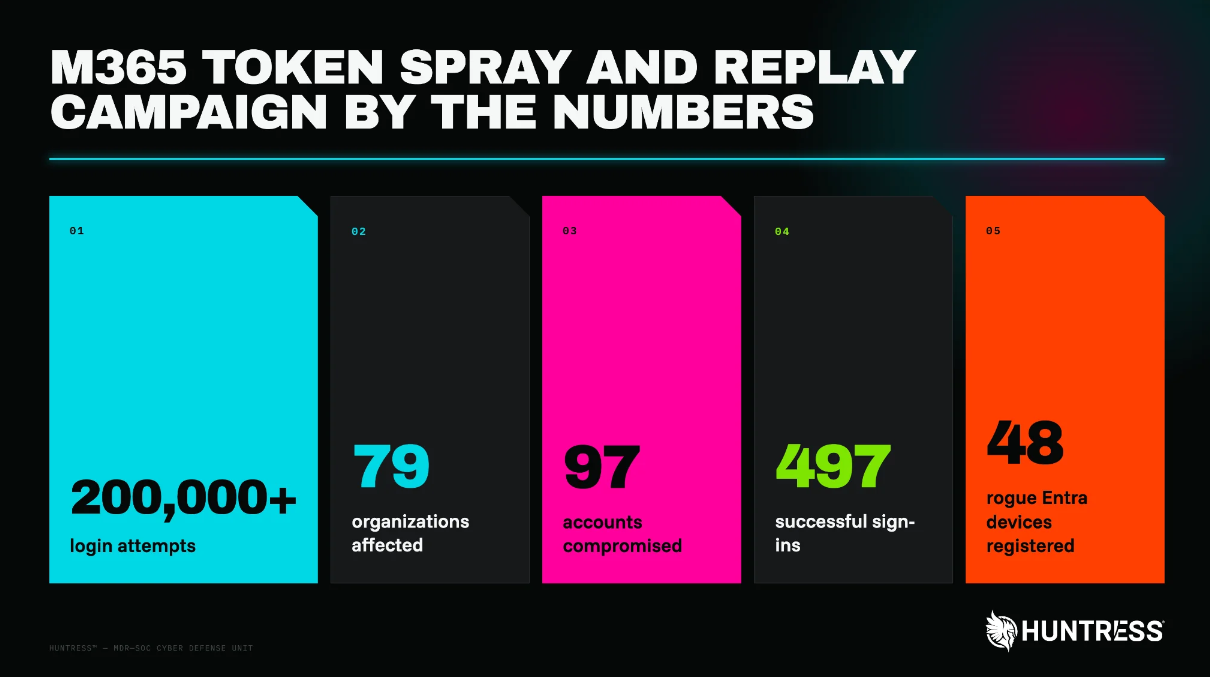
M365 token replay campaign: Huntress has spotted a threat actor using the same IP address at a German hosting company to launch token replay attacks against Microsoft 365 orgs. [Huntress]
Malware technical reports
RFRx003 backdoor: Rostelecom's security team, RT-Solar, has discovered a new Linux backdoor in some breaches they investigated this summer. The attackers used the RFRx003 backdoor to build SOCKS5 tunnels through which they stole the content of hacked mailboxes. [Rostelecom]
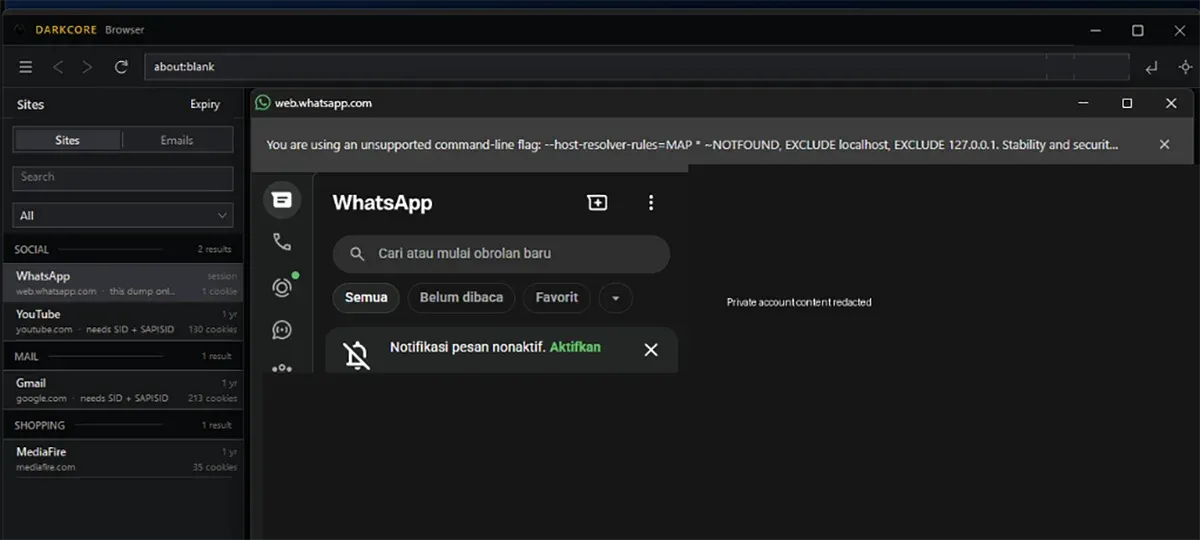
DarkCore RAT: BlackFog discovered DarkCore, a new remote access trojan that comes with a dedicated built-in browser. The browser is designed to allow attackers to access hacked accounts using stolen sessions and make it appear as coming from the real owner's IP address. This is done via hidden SOCKS tunnel to the infected host. [BlackFog]
SiriusQT: Group-IB looks at SiriusQT, a new Windows RAT advertised on underground forums. [Group-IB]
StealC returns as Stadia RAT: The developer of the StealC infostealer has returned to the cybercrime underground with a new RAT after Europol seized StealC infrastructure in June. The new Stadia malware builds on top of StealC infostealer to provide a fully-fledged remote access trojan. StealC joins a long list of malware that has made a comeback after law enforcement takedowns. [Varonis]
The Gentlemen ransomware: Acronis takes a new look at The Gentlemen RaaS, one of today's most active and proficient operations. The operation had a major leak in May. [Acronis]
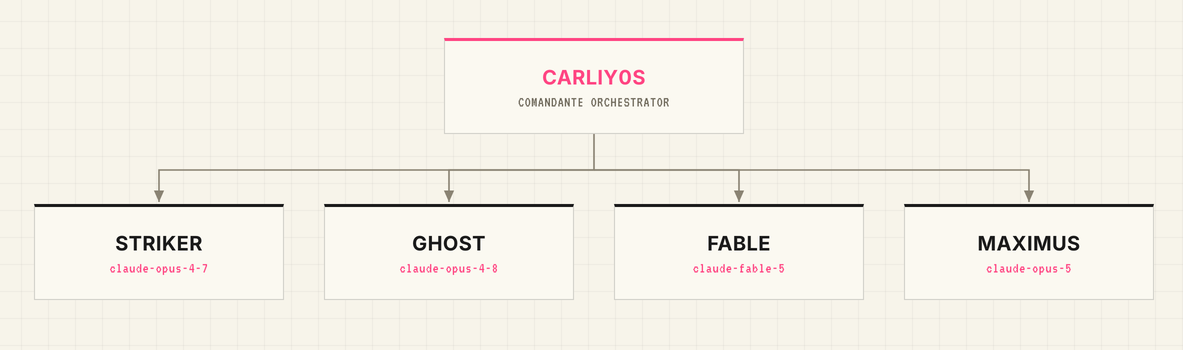
CARLIY0S: Security firm Straiker has published a write-up on CARLIY0S, an AI-based cyber offensive toolkit used by the CyberCartel group in attacks targeting more than 400+ organizations across LATAM. [Straiker AI]
Sponsor section
In this edition of the Snake Oilers podcast, Sondera's Josh Devon talks about Sondera technology designed to intervene when AI models start doing the wrong thing by statefully tracking their trajectories. This isn't a permissions suite for AI agents, it's a way to stick agents in a harness and make sure they adhere to hard policy boundaries.
APTs, cyber-espionage, and info-ops
Storm-0940 deploys ARTEX AI agents in hacking spree: Microsoft says that a Chinese state-aligned group is responsible for the ConnectWise Cloud Backup hack last week. The hack was part of a larger AI-automated hacking spree that hit hundreds of targets around the globe. Microsoft tracks the group as Storm-0940. The group's main weapon is the ARTEX AI agent. The same agent was also used over the past months to breach Japanese organizations and South Korean banks and financial institutions. [Microsoft // Zscaler // JPCERT/CC]
Microsoft Threat Intelligence assesses that Storm-0940 was responsible for the recently disclosed ConnectWise supply chain compromise of a multitenant application.
— Microsoft Threat Intelligence (@threatintel.microsoft.com) October 21, 2026 at 9:33 PM
APT41 revives BlackLotus bootkit: Chinese cyber espionage group APT42 has been using new versions of the BlackLotus bootkit , named BlackX, which they have used to target entities all over Central Asia. [Kaspersky]
Sandworm wipes Ukrainian grain logistics firm: A Russian military cyber unit has wiped the internal systems of a Ukrainian company involved in grain export logistics. The attack involved the use of a novel backdoor that stored its command-and-control server inside Yggdrasil, an IPv6 mesh network. The grain company was initially hacked by a group tracked as UAC-0099, which later handed off access to the more experienced Sandworm group. [ESET]
France protests disinfo: A report from the Alliance4Europe group has found no foreign threat actor behind the French anti-government protests, but has found disinformation groups taking advantage of them to push various agendas. In the meantime, Italy's defense minister has linked the protests to Russia's hybrid war in Europe. [Alliance4Europe // NewsGuard // FirstPost] [h/t David Colon]
"Once the riots broke out, their story was picked up and distorted abroad. Roughly one post in thirty-three in French directly blamed migrants or Islam; in English, nearly one in five. The unfounded claims that immigrants had set fire to Limoges town hall circulated 3.6 times more in English than in French, and appeared in our data about six hours earlier in English. The Russian Pravda network published 1,018 articles across twenty-eight sites in nine languages, copying content from one site to the next within minutes."
Russia's midterms info-ops target Democrats and Ukraine supporters: Russian influence operations are targeting Democrat candidates and Ukraine supporters from both parties ahead of the Midterms next month. [NextGov // Alethea]
Indian bot farm linked to Midterm influence op: Investigators have linked an Indian bot farm to a social media influence operation ahead of the US Midterms. The campaign supported Democrat candidates, but reporters are not sure who paid for it. [NYT]
Prince of Persia: Semperis says the Iranian APT group Prince of Persia has switched from hosting C&C servers in Europe to the US. The switch took place at the start of this year's US-Israel-Iran conflict. [Semperis]
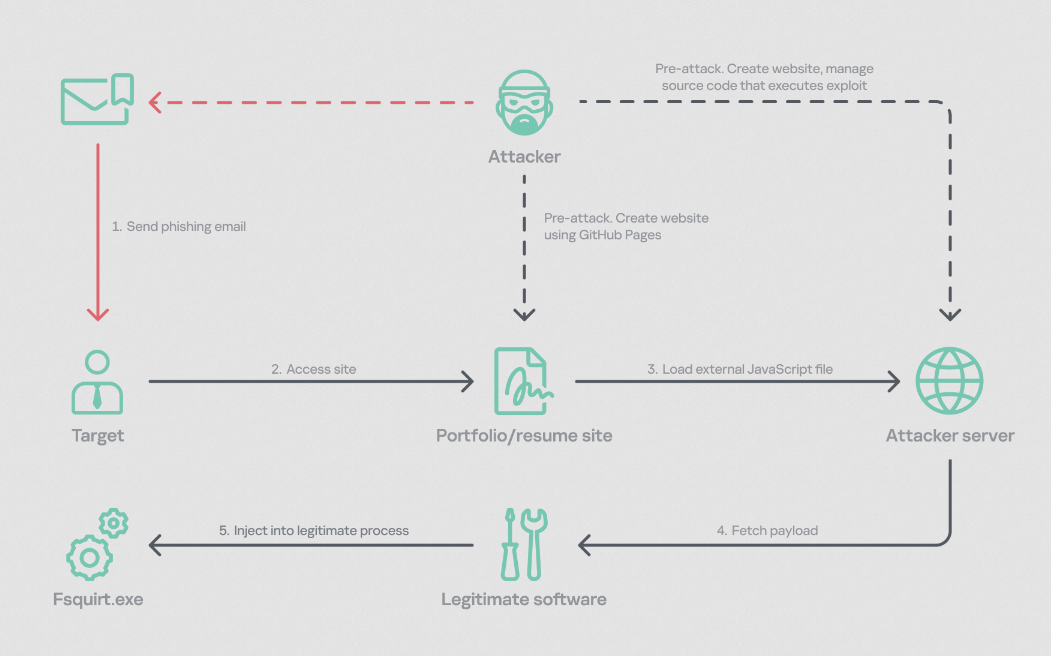
Operation FlashHole: A new and extremely targeted DPRK cyber espionage operation has been spotted targeting South Korean targets. The thing that stood out here was the use of post‑quantum encryption algorithms to secure C2 comms. [Kaspersky]
Vulnerabilities, security research, and bug bounty
Security updates: 7-Zip, Apache Tomcat, Bind, Chrome, Cisco, Craft CMS, Dell, Drupal, Firefox, Fortinet, FreeBSD, GitLab, HPE, Node.js, OpenBSD, Oracle, PHP, Pillow, RingRTC, SolarWinds, Splunk, Ubuntu.
PHP releases PHP2Shell patches, attacks follow immediately: The PHP Foundation has released security updates on Wednesday for two major vulnerabilities known as PHP2Shell. Patches were released a day early after details about the two were posted online by a security vendor. According to the PHP Foundation, one of the bugs was discovered in 2024 but was deemed unexploitable at the time. The bugs impact all PHP versions released since March 2012. Cybersecurity agencies across the globe cited the threat of immediate exploitation and advised companies to take PHP servers offline until they apply patches. As predicted, broad active exploitation started hours after the official patch was out. According to AWS, some attacks took place prior to public disclosure. [PHP // PHP blog // Google // Jack Alsyn // WatchTowr // Cloudflare // Hadrian // Patchstack // Previdian // AWS]
The current PHP shitshow is especially vexing because on the one hand, it is very much a big deal, but on the other, there is no widespread SUCCESSFUL exploitation of this vulnerability YET. Despite the latter, a whole lot of asshats are hyping the former for clicks and soundbytes.
— Joe Slowik (@pylos.co) October 22, 2026 at 8:56 PM
New Arista zero-day: Arista Networks has released a patch to fix a new zero-day in VeloCloud Orchestrator on-prem servers. The zero-day allows remote attackers to access internal functions without authentication. This is the third VeloCloud zero-day patched this year. [Arista Networks CVE-2026-114625]
GitLab patches perfect-10 RCE: Source code management platform GitLab has patched a major vulnerability that can allow hackers to take over self-hosted servers. The vulnerability is a pre-authentication remote code execution with a perfect CVSS severity score of 10/10. It impacts all GitLab versions since version 7.0, released in 2014. [GitLab // CVE-2026-110264]
Oracle CPU: The quarterly Oracle security updates are out, with patches for 1,295 vulnerabilities. Tenable has a breakdown of the fixes. [Oracle // Tenable]
Security firm uninstalls defunct Popcorn Time clone from 2m PCs: Dutch security firm Eye Security has uninstalled an abandoned and vulnerable Popcorn Time piracy app from more than two million Windows and macOS PCs. The company exploited an expired domain to run an update on the app and remove it from systems that responded. Eye did it with no law enforcement oversight and the update package was later marked as malicious by some security apps. [Eye Security]
Infosec industry
Threat/trend reports: Arkose Labs, CrowdStrike, HID Global, Ironscales (PDF), Palo Alto Networks, Quarkslab, Rapid7, and SANS have recently published reports and summaries covering various emerging threats and industry trends.
Community Cyber Resilience Foundation: Three US cybersecurity vendors have launched a foundation to help defend underfunded US water utilities. Accenture, Dragos, and the SANS Institute will provide free technology, services, and training to up to 500 utilities. The Community Cyber Resilience Foundation will have an initial funding of $10 million. [BusinessWire]
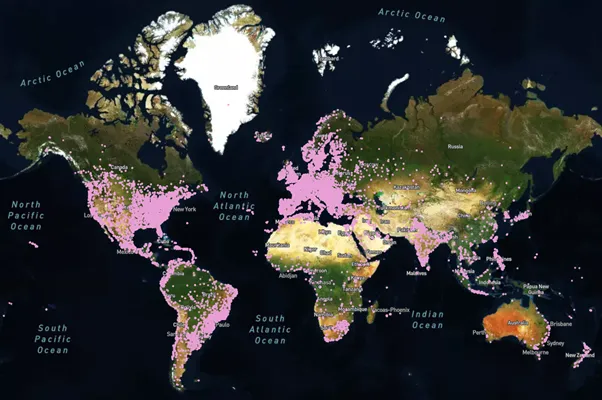
New tool—PHP2Shell services: Censys has launched a website to track the patching of PHP2Shell.
Risky Business podcasts
In this edition of Seriously Risky Business, Tom Uren and Amberleigh Jack talk about the weird bugging incident at OpenAI. It doesn't look at all like it was normal state-backed espionage, but there are still good reasons the frontier labs should ensure that their crown jewels are safe.